Durban City Guide

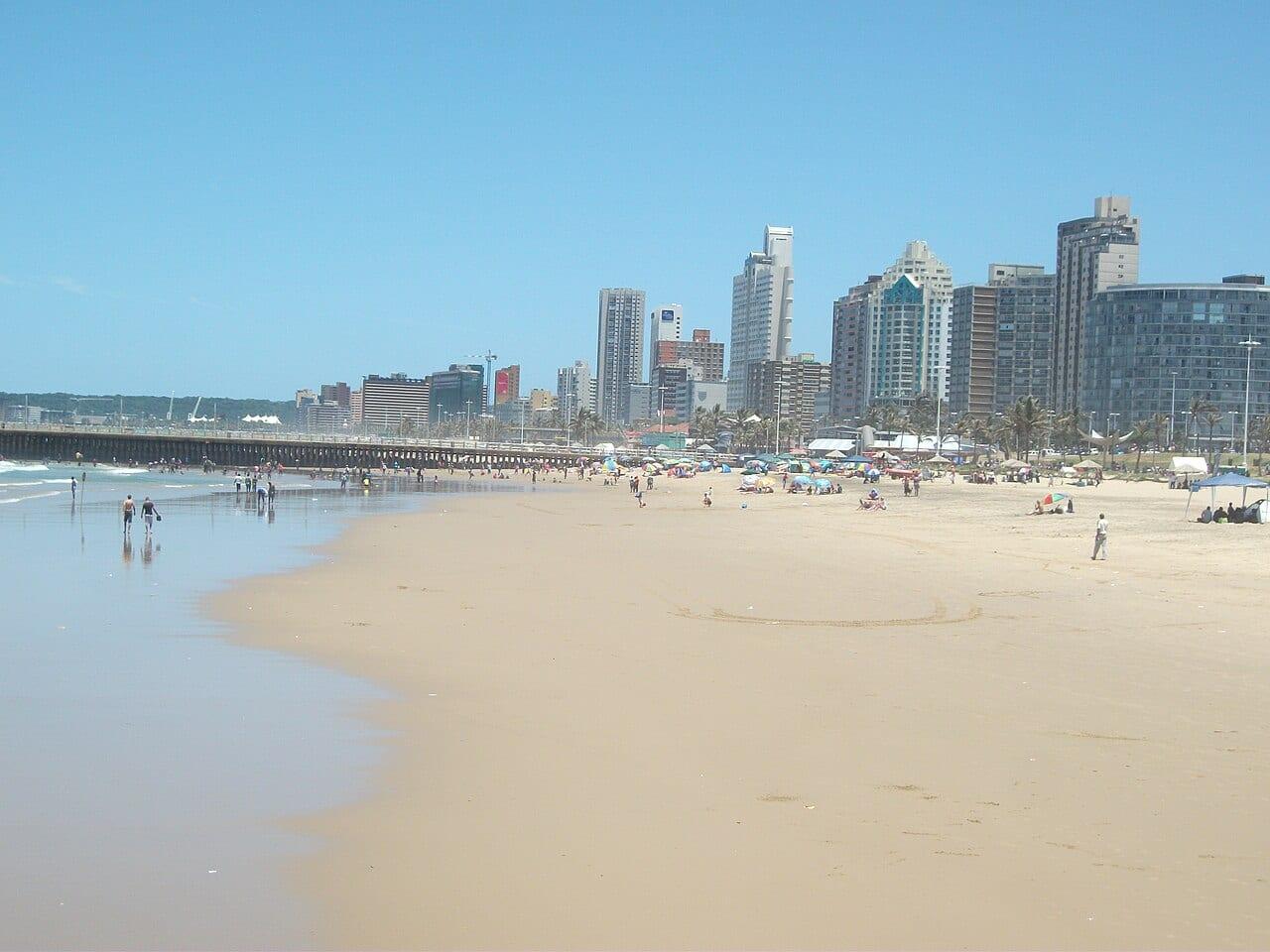
Durban is South Africa's third-largest city and the warm-water gateway of the Indian Ocean coast, wrapped around the busiest port in Africa. Its signature is the Golden Mile, a long beachfront promenade of surf beaches and the uShaka Marine World complex, set against a humid, year-round-swimming climate that makes KwaZulu-Natal the country's domestic-holiday capital. At roughly half the per-square-metre cost of Cape Town's Atlantic Seaboard, Durban reads as a value-and-yield market rather than a capital-gains market. The investment story of the last decade has been a clear migration of money north of the old centre to the uMhlanga / La Lucia 'New Durban' growth node, anchored by the giant Gateway mall, the uMhlanga Ridge business district and the emerging Sibaya Coastal Precinct, which now functions as the de-facto premium CBD. Domestic 'semigration' from Gauteng to the KZN coast continues to feed demand here and up the N2 toward Ballito. Honesty matters: the boom is geographically uneven. The historic inner city and parts of the beachfront fringe have declined through service strain and the aftermath of the 2021 unrest and 2022 floods, while a multi-billion-rand regeneration (Point Waterfront, Rivertown) is still a work in progress. The reliable returns sit in the northern suburbs and the Berea ridge (Morningside, Musgrave, Glenwood), where strong rental demand and established schools offset slow headline price growth. Foreigners buy freely (non-residents ~50% local finance, exchange control); there is NO property golden visa. Investors come to Durban for income and lifestyle, not the appreciation curve.

Updated May 24, 20268 min read

About Durban

Durban is South Africa's third-largest city and the warm-water gateway of the Indian Ocean coast, wrapped around the busiest port in Africa. Its signature is the Golden Mile, a long beachfront promenade of surf beaches and the uShaka Marine World complex, set against a humid, year-round-swimming climate that makes KwaZulu-Natal the country's domestic-holiday capital. At roughly half the per-square-metre cost of Cape Town's Atlantic Seaboard, Durban reads as a value-and-yield market rather than a capital-gains market. The investment story of the last decade has been a clear migration of money north of the old centre to the uMhlanga / La Lucia 'New Durban' growth node, anchored by the giant Gateway mall, the uMhlanga Ridge business district and the emerging Sibaya Coastal Precinct, which now functions as the de-facto premium CBD. Domestic 'semigration' from Gauteng to the KZN coast continues to feed demand here and up the N2 toward Ballito. Honesty matters: the boom is geographically uneven. The historic inner city and parts of the beachfront fringe have declined through service strain and the aftermath of the 2021 unrest and 2022 floods, while a multi-billion-rand regeneration (Point Waterfront, Rivertown) is still a work in progress. The reliable returns sit in the northern suburbs and the Berea ridge (Morningside, Musgrave, Glenwood), where strong rental demand and established schools offset slow headline price growth. Foreigners buy freely (non-residents ~50% local finance, exchange control); there is NO property golden visa. Investors come to Durban for income and lifestyle, not the appreciation curve.

Location

Durban, KwaZulu-Natal, South Africa

Showing this map loads it from Google Maps, which sets their own cookies on your device.

City highlights

Africa’s Busiest Port + Logistics Engine

The Port of Durban handles the largest container volumes on the continent, underpinning a real economy of trade and services that supports rental demand independent of tourism.
The uMhlanga / Ridgeside "New Durban" Node

North of the centre, uMhlanga Ridge and Ridgeside form the metro’s fastest-growing business and lifestyle district, anchored by the Gateway super-regional mall.

Coastal-Lifestyle Yield Play

Year-round Indian-Ocean swimming and the Golden Mile drive holiday-let and long-let demand; Durban apartment gross yields run ~8–13%, higher than Cape Town.

Value vs the Rest of SA’s Coast

High-end Durban stock averages ~R19,500/m² versus R30,000–R60,000/m² on Cape Town’s Atlantic Seaboard, a deep discount for comparable ocean-front living.

Market data and outlook

Average price
~€89,000 average home (≈R1.7m); ~€755/m² city-wide (R14,500); high-end ~€1,020/m²; city-centre apartments ~€775/m², outside ~€510/m² (Numbeo/GPG/Lightstone, 2025–26; ~19.2 ZAR/€)
Price growth YoY
~+2–4% nominal (well below Cape Town ~8.8%); premium northern nodes 6–10%
Rental yield
~8–13% gross on apartments (city avg ~10.7%); coastal/premium (uMhlanga/Point) ~6–10% gross, Berea-ridge ~8.5–9% net
Population
~3.26 million (eThekwini metro, 2024–25)

Key investment areas

  • uMhlanga / Ridgeside
  • Sibaya Coastal Precinct & Ballito (North Coast)
  • Berea ridge, Morningside, Musgrave, Glenwood
  • Point Waterfront & Rivertown (regeneration)
  • Durban North / La Lucia (family)

Market outlook

Durban is a yield-and-lifestyle market, not a capital-growth market. Headline city growth is modest (~2–4% nominal), but the northern coastal corridor, uMhlanga, Sibaya, Ballito, is materially outperforming (6–10%) on semigration, the Gateway/business-district magnet and large precinct investments. The rate-cutting cycle (prime ~10.25% late 2025) supports activity. The honest risk is bifurcation: inner-city/older stock faces municipal-service strain and slow recovery, while well-located coastal and Berea-ridge stock retains value and lets quickly. Foreigners should weight income and tenant quality over appreciation.

Neighbourhoods to explore

Figures are indicative and subject to change. Regulations, taxes and market conditions vary by jurisdiction. Do your own due diligence and seek independent legal and financial advice.
All city guides