Cape Town City Guide

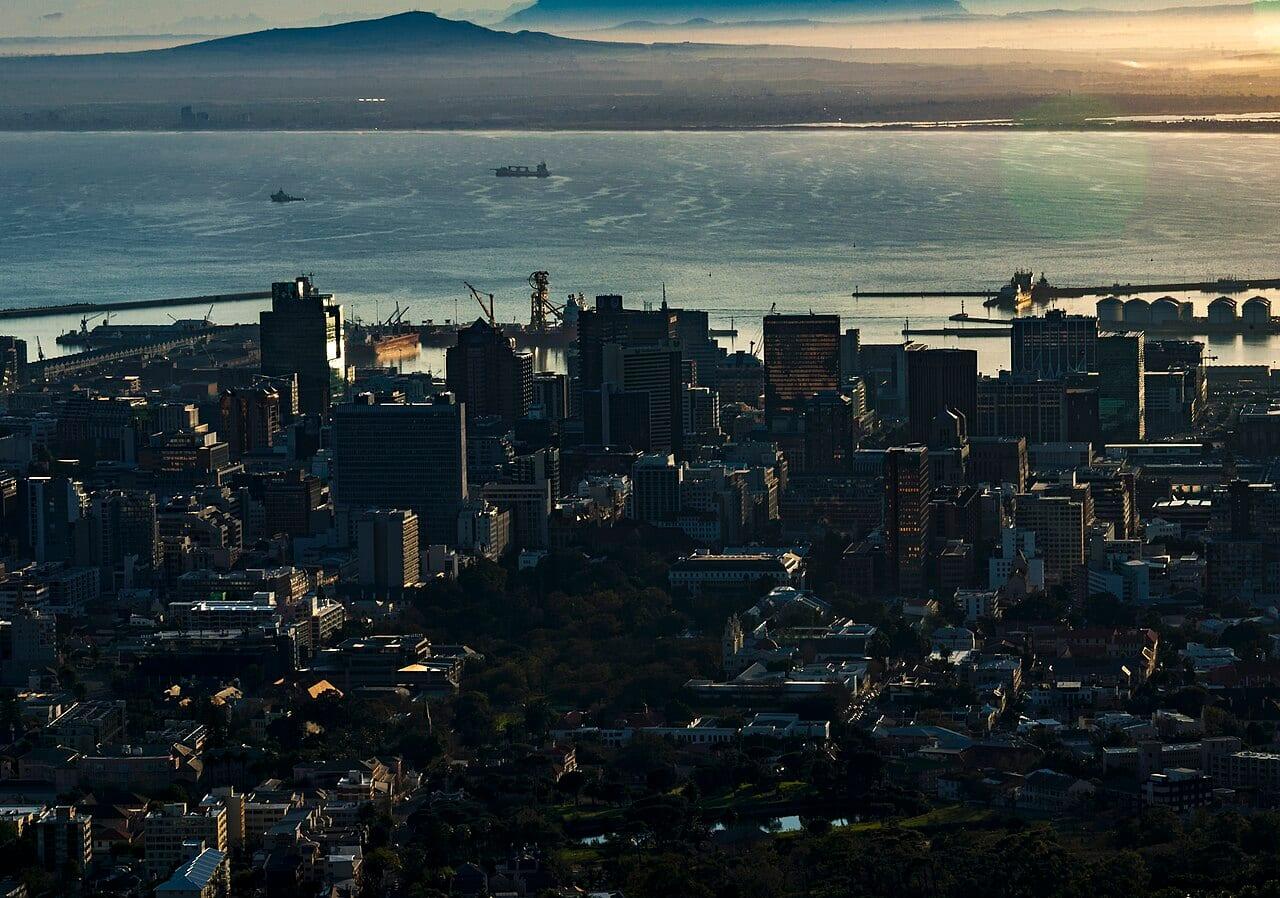
Cape Town is South Africa's second-largest city and legislative capital, wrapped around the City Bowl beneath Table Mountain and fringed by the Atlantic Seaboard's beaches (Clifton, Camps Bay, Sea Point). It is consistently the country's strongest residential market: Western Cape house prices rose roughly 8–10% in the year to 2025 versus a national average nearer 4–5%. The dominant demand driver is 'semigration', affluent South Africans relocating from Gauteng and KwaZulu-Natal to the Western Cape for lifestyle, governance and safety, layered on strong international demand and an outsized tourism economy. The city is also South Africa's leading technology hub ('Silicon Cape', 450+ tech firms incl. Amazon's African operations), underpinning professional rental demand, and one of the world's largest Airbnb markets (the V&A Waterfront alone draws ~24m visitors a year). National load-shedding, severe through 2023, had largely ceased by 2025 (200+ blackout-free days), though most premium properties still run backup solar/inverters. For foreign investors, ownership is open, non-residents buy freely; the main constraint is exchange-control financing (typically max ~50% local mortgage, the balance brought in from offshore). There is NO property-based golden visa, buying grants no residency. The rand is volatile, which lowers euro entry costs but adds currency risk to returns.

Updated May 24, 20268 min read

About Cape Town

Cape Town is South Africa's second-largest city and legislative capital, wrapped around the City Bowl beneath Table Mountain and fringed by the Atlantic Seaboard's beaches (Clifton, Camps Bay, Sea Point). It is consistently the country's strongest residential market: Western Cape house prices rose roughly 8–10% in the year to 2025 versus a national average nearer 4–5%. The dominant demand driver is 'semigration', affluent South Africans relocating from Gauteng and KwaZulu-Natal to the Western Cape for lifestyle, governance and safety, layered on strong international demand and an outsized tourism economy. The city is also South Africa's leading technology hub ('Silicon Cape', 450+ tech firms incl. Amazon's African operations), underpinning professional rental demand, and one of the world's largest Airbnb markets (the V&A Waterfront alone draws ~24m visitors a year). National load-shedding, severe through 2023, had largely ceased by 2025 (200+ blackout-free days), though most premium properties still run backup solar/inverters. For foreign investors, ownership is open, non-residents buy freely; the main constraint is exchange-control financing (typically max ~50% local mortgage, the balance brought in from offshore). There is NO property-based golden visa, buying grants no residency. The rand is volatile, which lowers euro entry costs but adds currency risk to returns.

Location

Cape Town, Western Cape, South Africa

Showing this map loads it from Google Maps, which sets their own cookies on your device.

City highlights

SA's Top-Performing Market

The Western Cape leads national house-price growth (~8–10% YoY vs ~4–5% nationally), driven by semigration and chronic supply scarcity between mountain and sea.
World-Class Lifestyle & Tourism

Table Mountain, the Atlantic beaches and the V&A Waterfront (~24m annual visitors) underpin owner-occupier desirability and short-term-rental demand.

"Silicon Cape" Tech Economy

450+ tech firms and major employers drive professional rental demand in the City Bowl and Atlantic Seaboard.

Open to Foreign Buyers

Non-residents buy freely; the main limit is exchange-control financing (~50% local mortgage cap). No property golden visa, and rand FX risk applies.

Market data and outlook

Average price
~€175,000 average home (≈R3.5m); prime/central ~€1,500–€1,750/m² (R30,000–35,000); Atlantic Seaboard €2,250–€6,350/m²; value nodes (Woodstock) €1,000–€1,600/m² (Lightstone/Property24, 2025; ~20 ZAR/€)
Price growth YoY
~+6–10% (City of Cape Town, 2025); Western Cape province ~+8.7%, far above national ~4.5–5%
Rental yield
~5–9% gross on apartments (Woodstock/City Bowl highest; prestige Constantia/V&A ~3–5%)
Population
~5.0–5.1 million (City of Cape Town metro, 2025 estimate)

Key investment areas

  • Atlantic Seaboard (Sea Point, Camps Bay, Clifton)
  • City Bowl / Gardens (tech + tourism)
  • Woodstock (highest yields, value)
  • Constantia & Southern Suburbs (family)
  • V&A Waterfront (trophy)

Market outlook

Cape Town is expected to remain South Africa's strongest residential market into 2026, supported by ongoing (if slowing) semigration, supply scarcity and resilient international demand. Eased load-shedding and the tech-led economy reinforce rental demand. Gross yields run ~5–9% on apartments (highest in Woodstock/City Bowl, lowest in prestige Constantia/V&A). Key risks: top-end affordability, rand volatility, and emerging short-term-rental rate-classification rules. Expect continued above-national growth at a moderating pace.

Neighbourhoods to explore

Figures are indicative and subject to change. Regulations, taxes and market conditions vary by jurisdiction. Do your own due diligence and seek independent legal and financial advice.

All city guides